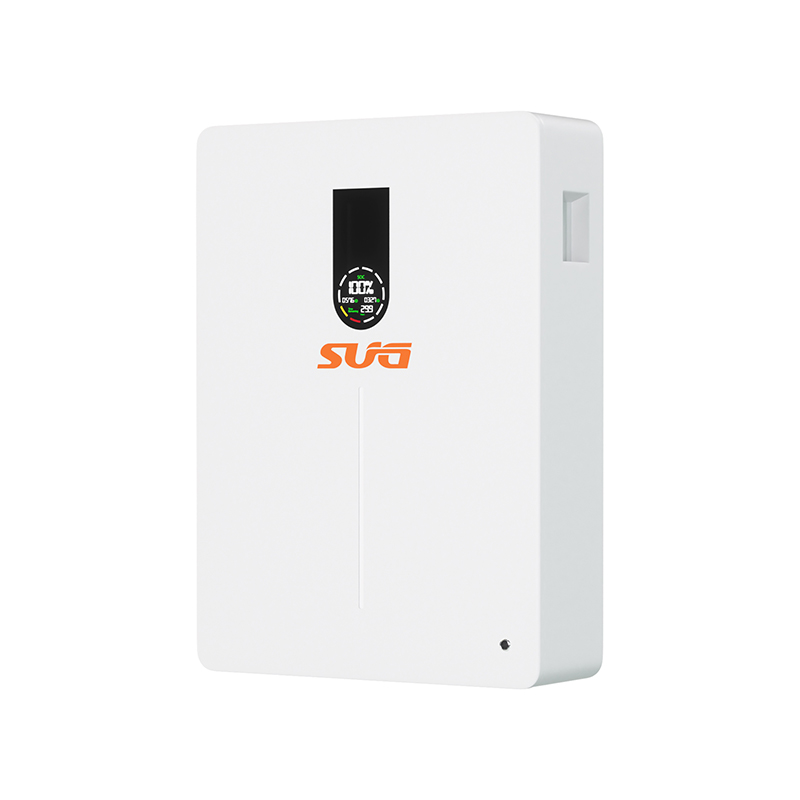
RV storage projects are constrained by space, weight, charging options and user habits. A product that works well in a fixed home cabinet may be awkward in a vehicle if ventilation, mounting, vibration and service access are not considered.
For distributors, the better approach is to define a small number of repeatable kits instead of quoting every vehicle as a custom project.
Portable and fixed systems serve different buyers
Portable power stations are simple for retail and occasional use. Fixed LiFePO4 battery systems make more sense when the customer wants solar charging, alternator charging and a permanent AC output.
The decision is usually about installation skill and service expectation. Portable products reduce installation work; fixed systems give more control and expansion room.
What needs to be checked before bulk order
The carton, user manual, plug type, AC output voltage and warranty process matter more for RV channels than many suppliers expect. A clean SKU plan can reduce after-sales confusion.
Procurement decision table
| Decision area | Buyer question | Procurement check | Risk control |
|---|---|---|---|
| Product scope | Which product families does this cover? | Portable Power Station S Series, Portable Power Stations, Wall-Mounted LiFePO4 Battery Series | Treating portable stations and fixed RV storage as the same product |
| Specification input | What must be stated before comparing quotes? | AC output voltage and plug type | Use the same specification wording across supplier quotes. |
| Commercial input | What makes the quote operationally useful? | Solar input range | Tie quantity, packing and destination to the same RFQ line. |
| Quality gate | What should be checked before shipment? | Battery Shipping & UN38.3 Guide | Ignoring socket type for the destination market |
BOM and RFQ context
RV and Mobile Energy Storage is most useful when it is read as a sourcing decision, not only an informational article. The affected product scope normally includes Portable Power Station S Series, Portable Power Stations, Wall-Mounted LiFePO4 Battery Series, Off Grid Hybrid Inverter EU Series. A buyer should connect the answer to a live BOM, because cable size, connector rating, protection device choice, box configuration, storage accessories and export packing can change together.
For storage applications, the useful answer combines electrical design, battery logistics and commissioning risk. Battery capacity, inverter phase type, BMS communication, backup-load priority and export documents all have to be checked before the order becomes a real project package. In an RFQ, the minimum inputs should include AC output voltage and plug type, Solar input range, Battery chemistry, Mounting or carry format. These inputs let a sourcing team compare suppliers on the same basis instead of only comparing unit price.
The related follow-up content is Battery Shipping & UN38.3 Guide, Hybrid Inverter Sourcing Guide. Use those pages to validate standards, sizing, inspection and packing before sending a final quote request. The main risk to avoid is: Treating portable stations and fixed RV storage as the same product Ignoring socket type for the destination market