Energy Storage & Inverters
Feature-coded OmniSol storage SKUs for LiFePO4 batteries, OmniSol inverter sourcing, hybrid/off-grid inverters, integrated storage systems and portable power stations grouped for storage RFQs.
What buyers usually confirm
System role
Understand where this subsystem sits in the solar project architecture.
Compatibility logic
Match voltage, current, standards, dimensions and wiring layout before quote.
Procurement output
Turn technical requirements into a cleaner BOM, packing plan and RFQ list.
Open the right product family first
Each family below is one part of the same subsystem. Start with the family that matches the problem you are solving, then use the subsystem notes below to check compatibility.
Inverters
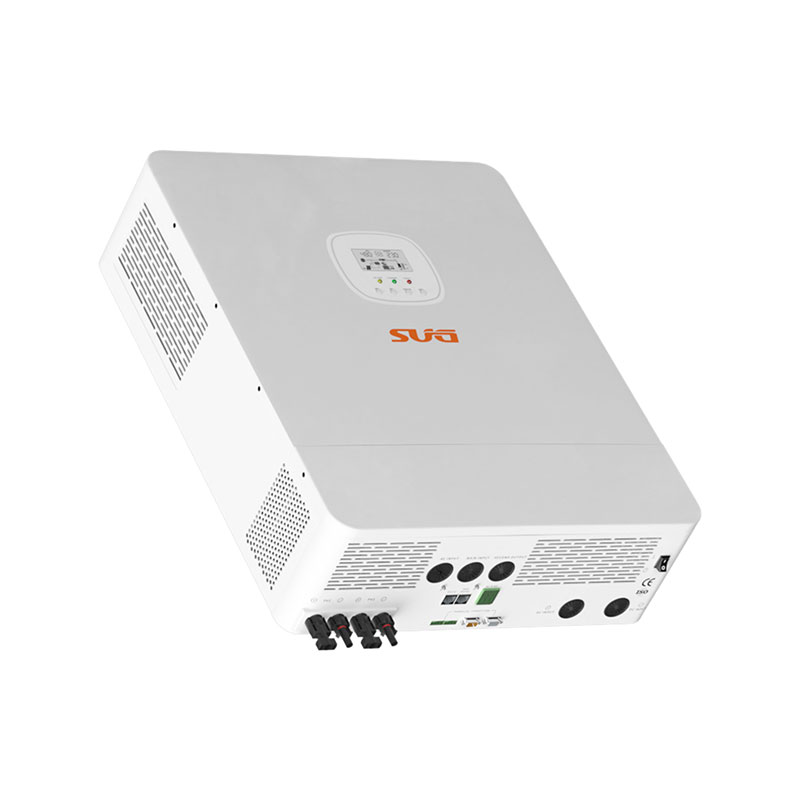
3 SKUsOpen this category when phase type, MPPT input, battery compatibility or backup output is the first decision.
Open familyEnergy Storage Batteries
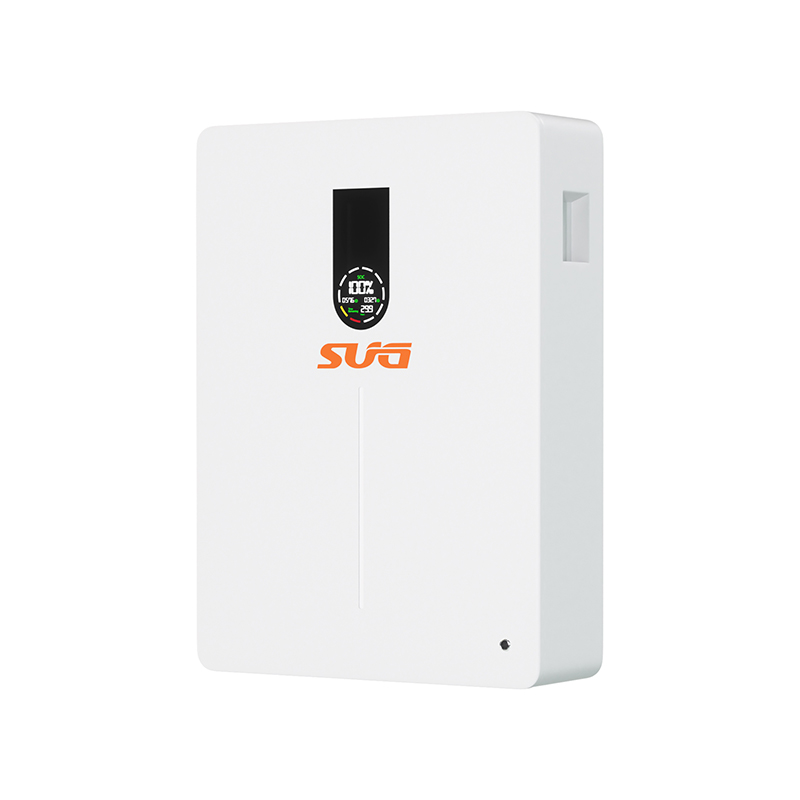
7 SKUsOpen this category when wall, stacked, rack/cabinet, high-voltage or plastic LFP battery format must be compared.
Open family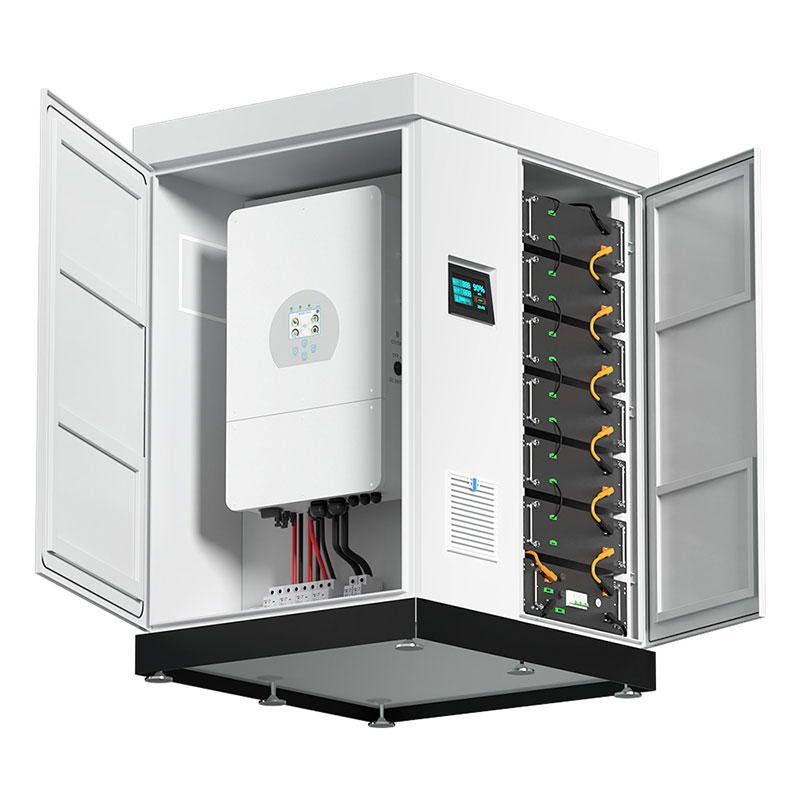
Energy Storage Systems
3 SKUsOpen this category when the RFQ is for an integrated storage package rather than loose battery or inverter units.
Open family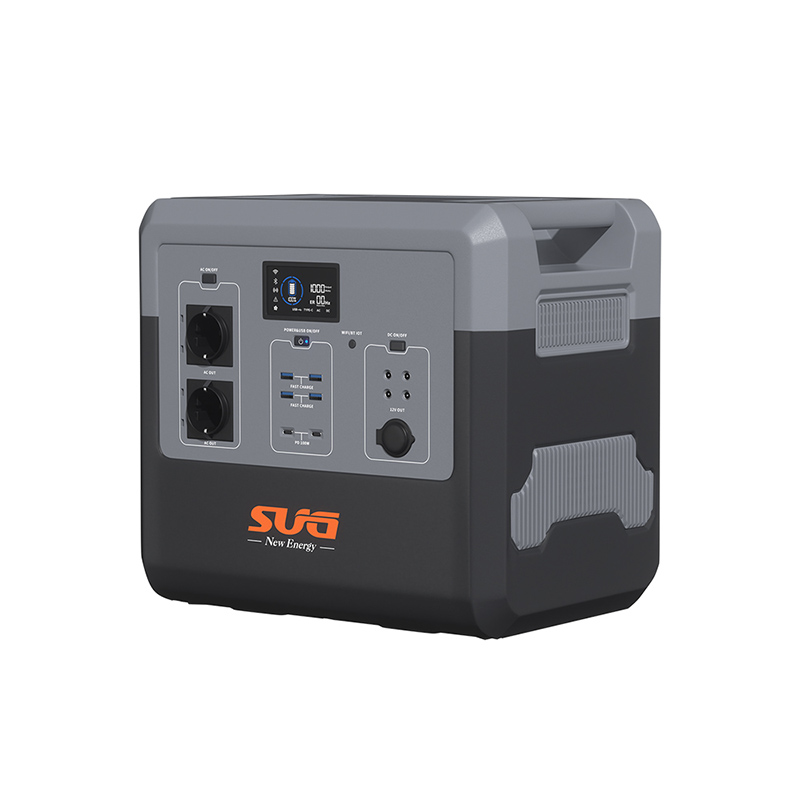
Portable Power Stations
2 SKUsOpen this category when the project needs portable storage rather than fixed residential installation.
Open familyWhat the storage subsystem does
Energy storage combines inverter conversion, battery BMS control, backup output, grid interaction and export logistics into one compatibility-driven subsystem.
For buyers, the important decision is not only capacity. Voltage platform, phase type, BMS communication, certification, firmware support and battery shipping documents should be checked together before confirming models.
How buyers should specify it
Confirm whether the project needs single-phase, split-phase, three-phase or portable storage output.
Match the inverter to the battery voltage platform, BMS protocol, charge/discharge current and backup function.
Choose battery family by installation format: wall-mounted, vertical, stacked, rack/cabinet, high-voltage or portable.
Check UN38.3, MSDS, carton labels, pallet packing and destination import requirements before order release.
Common mistakes to avoid
A battery with the right kWh rating can still be incompatible if the inverter cannot communicate with its BMS.
Split-phase markets require different inverter output logic from EU single-phase systems.
Battery shipping can be delayed by incomplete UN38.3, MSDS, labeling or pallet packing documents.
Commercial systems should be reviewed as a package because inverter, cabinet, fire spacing and service access are connected.
What to include in the BOM
Useful reading before RFQ
These guides support the decisions on this page. They give buyers and engineers more detail on sizing, compatibility, standards and packing before the BOM is sent for quotation.