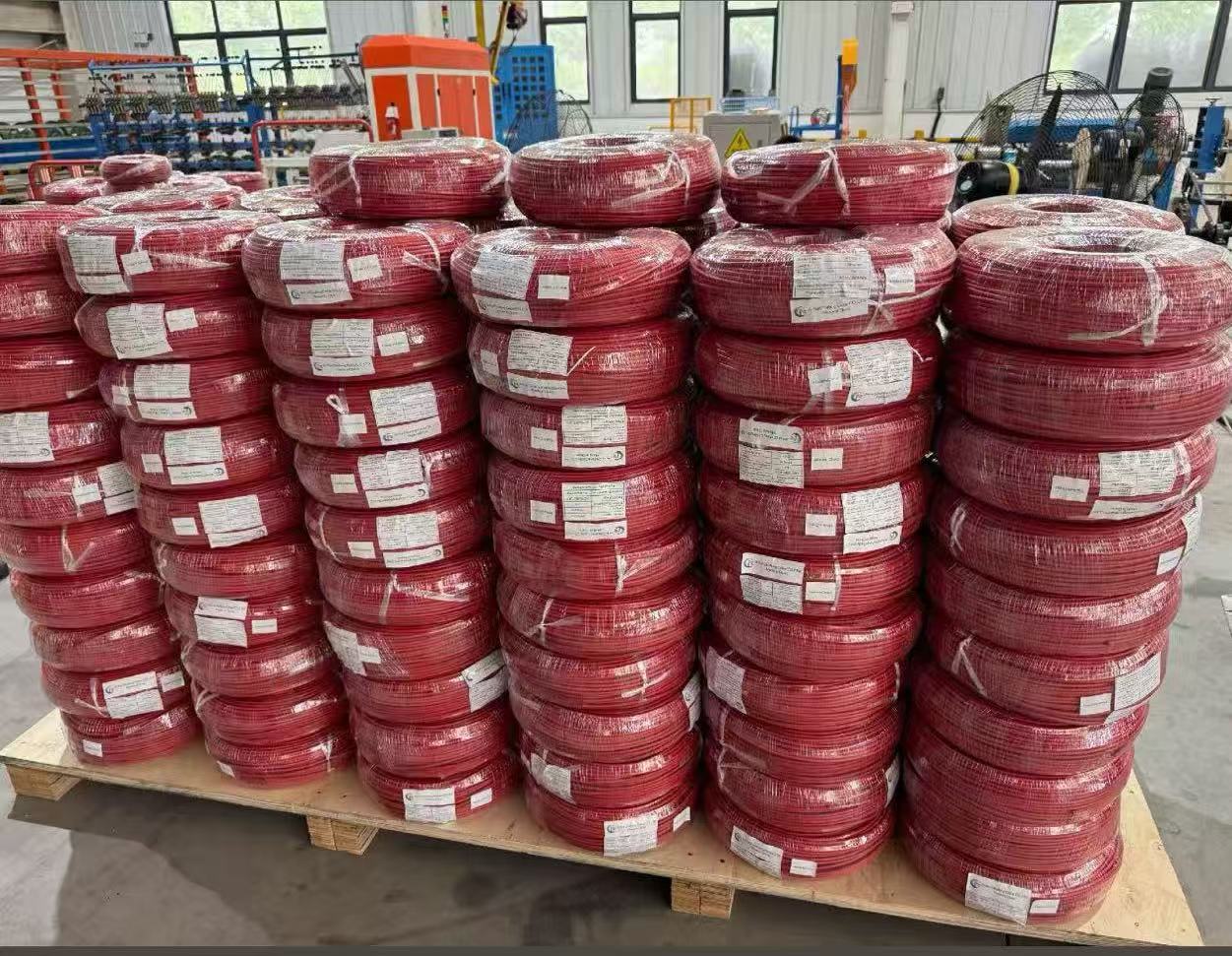
Cables & Connectors
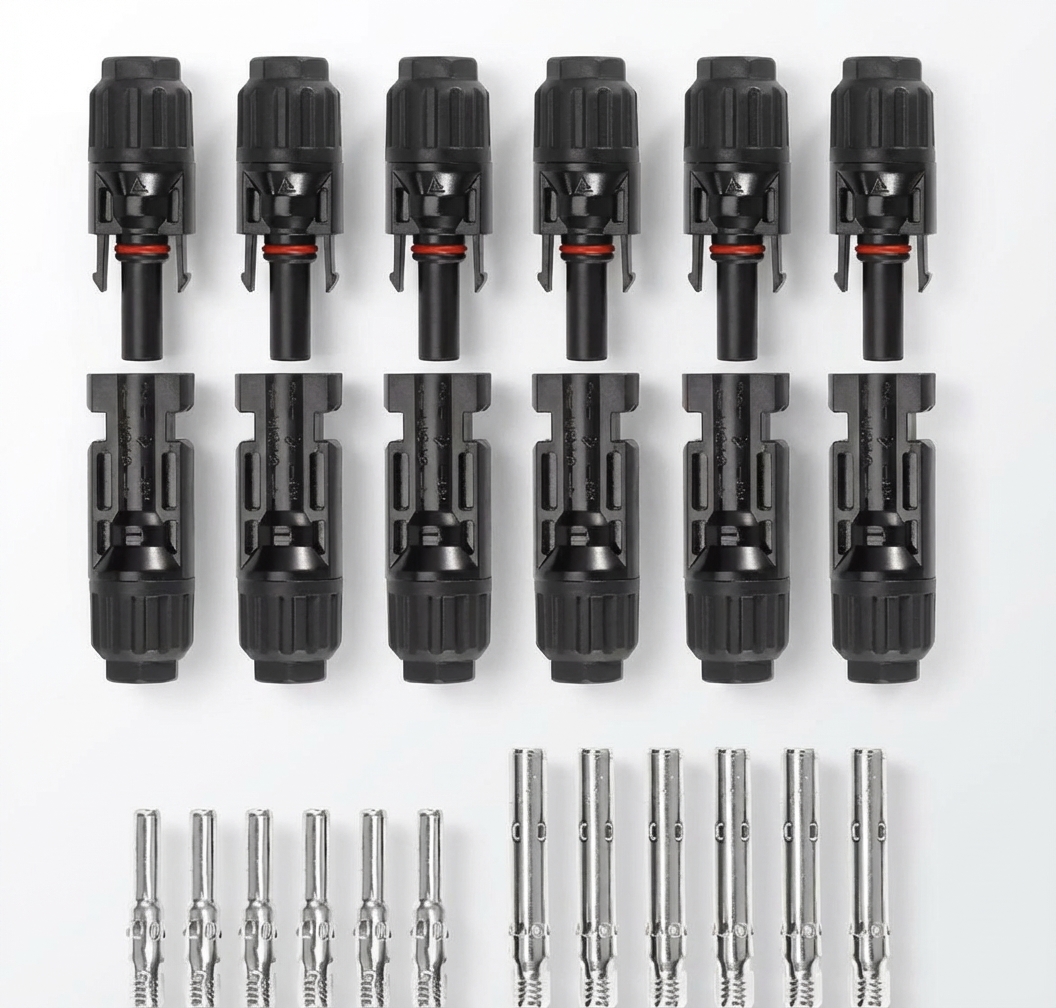
PV DC cables, MC4-compatible connectors, inline fuse/diode connectors and T-branch wiring accessories for project BOMs.
What buyers usually confirm
System role
Understand where this subsystem sits in the solar project architecture.
Compatibility logic
Match voltage, current, standards, dimensions and wiring layout before quote.
Procurement output
Turn technical requirements into a cleaner BOM, packing plan and RFQ list.
Open the right product family first
Each family below is one part of the same subsystem. Start with the family that matches the problem you are solving, then use the subsystem notes below to check compatibility.
What the string-wiring subsystem does
Cables and connectors form the DC string wiring layer between PV modules and the inverter or combiner box. This subsystem is small compared with modules and inverters, but it carries continuous outdoor DC current for decades, so poor selection can create heat, voltage drop, water ingress, arc faults and difficult maintenance.
For procurement, the key is not only buying cable rolls and connector pairs. Buyers need to confirm that cable cross-section, voltage class, CPR or fire class, connector mating geometry, crimp tooling and branch accessories all match the same system architecture.
How buyers should specify it
Confirm 1000V or 1500V DC architecture before selecting insulation and connector voltage rating.
Size cable cross-section from current, run length, voltage-drop target and installation temperature.
Match connector contacts to cable diameter and conductor cross-section, then confirm crimp tool availability.
Use branch, fuse or diode connectors only where the string design and protection logic requires them.
Common mistakes to avoid
Cross-mating connectors from different manufacturers can pass a basic fit check but fail long-term sealing.
Under-crimped connector contacts are a common cause of heating and DC-side failure.
Undersized cable may pass current but create unnecessary voltage loss over long roof or ground runs.
Inline accessories should not be treated as generic adapters; current rating and polarity layout matter.
What to include in the BOM
Useful reading before RFQ
These guides support the decisions on this page. They give buyers and engineers more detail on sizing, compatibility, standards and packing before the BOM is sent for quotation.