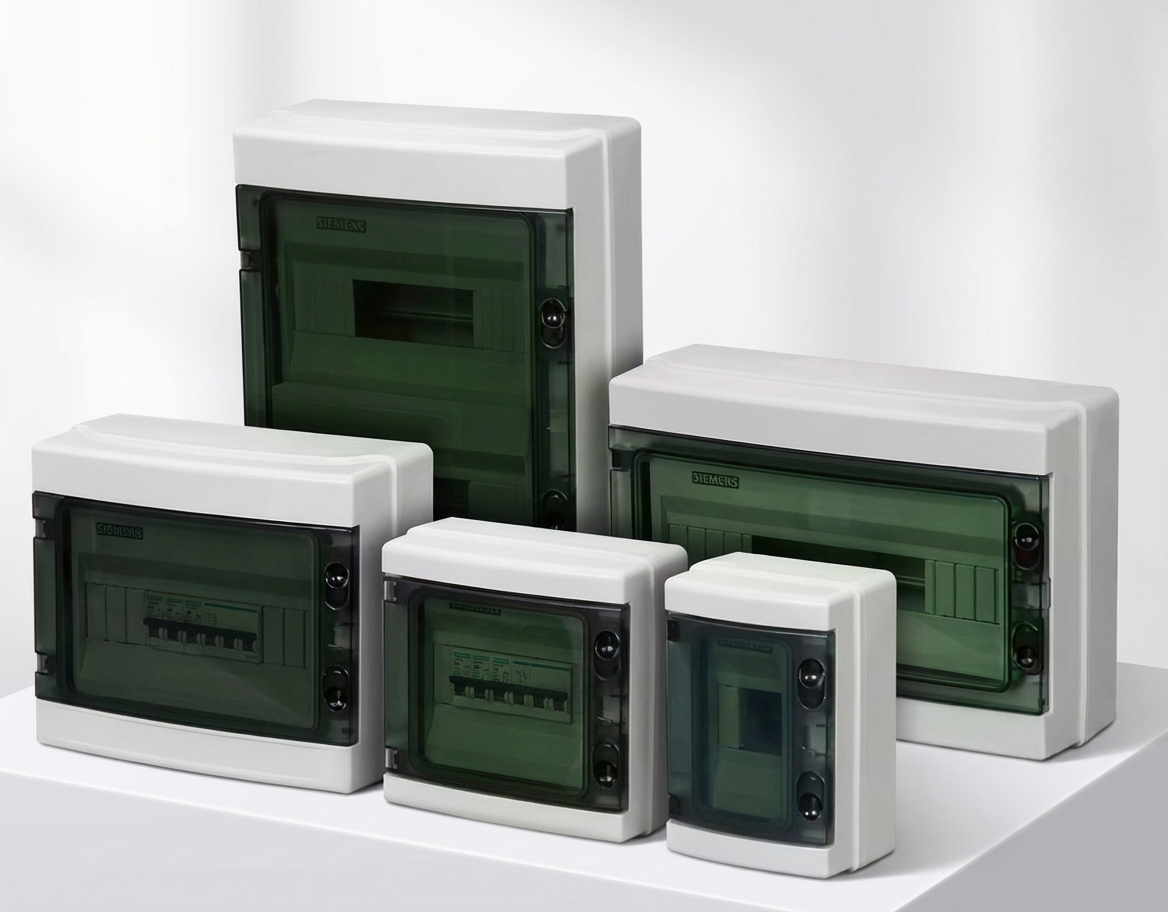
Electrical BOS & Protection
DC protection, combiner boxes, AC protection and distribution boards organized as one electrical BOS sourcing family.
What buyers usually confirm
System role
Understand where this subsystem sits in the solar project architecture.
Compatibility logic
Match voltage, current, standards, dimensions and wiring layout before quote.
Procurement output
Turn technical requirements into a cleaner BOM, packing plan and RFQ list.
Open the right product family first
Each family below is one part of the same subsystem. Start with the family that matches the problem you are solving, then use the subsystem notes below to check compatibility.
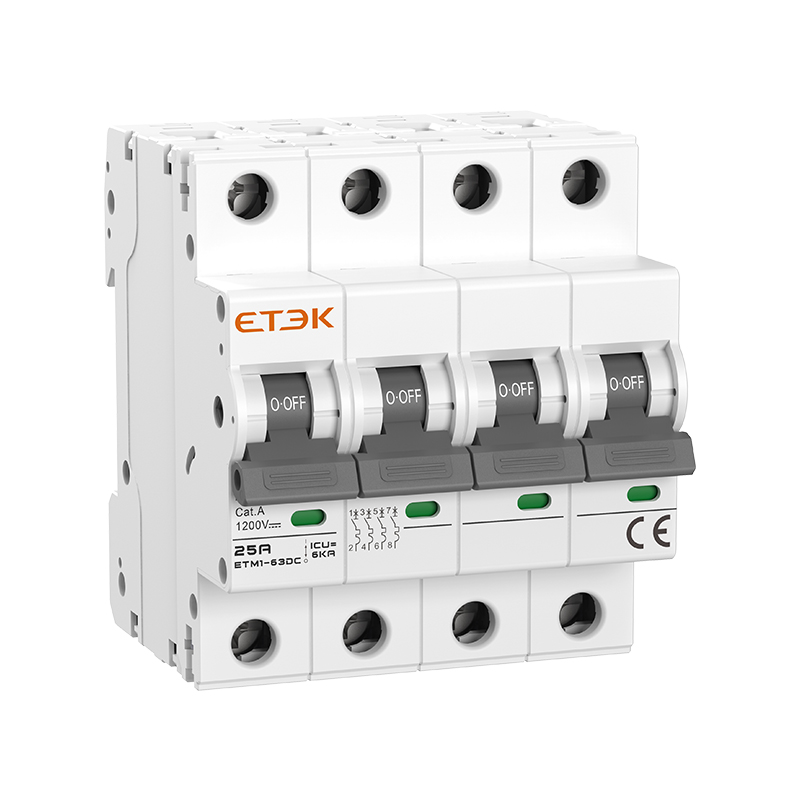
DC Protection
31 SKUsOpen this category when selecting loose protection devices or checking ratings for a combiner/inverter circuit.
Open family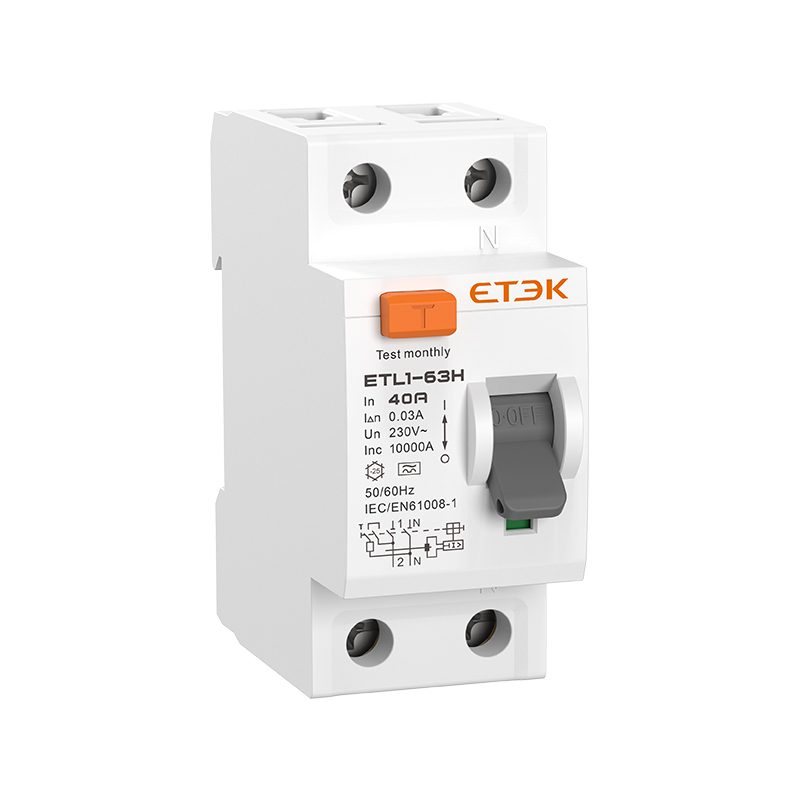
AC Protection
16 SKUsOpen this category when current curve, residual-current sensitivity or EV-focused protection is part of the RFQ.
Open family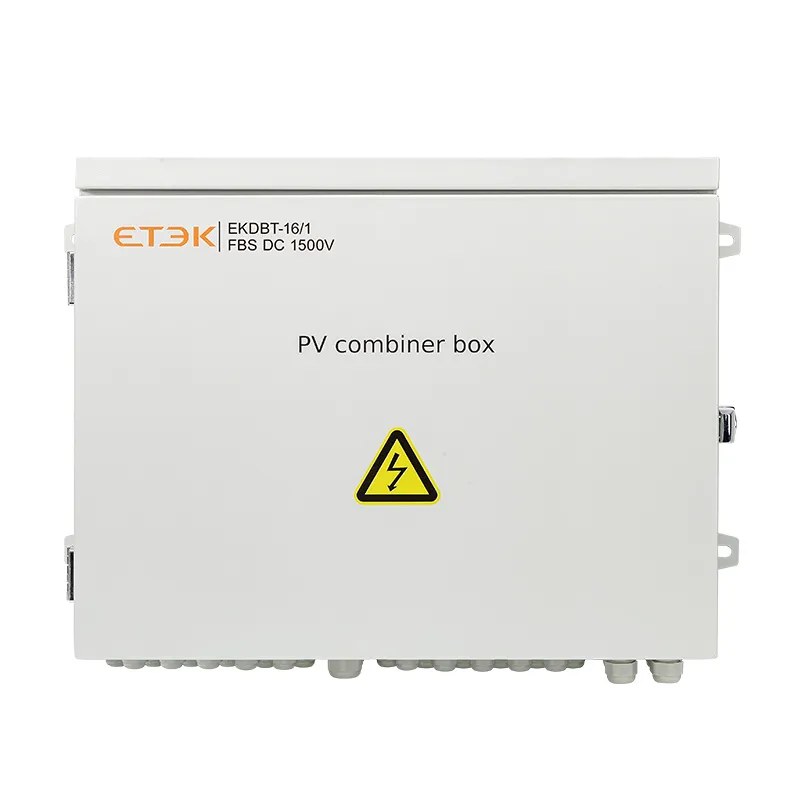
Combiner Boxes
22 SKUsOpen this category when the project needs pre-assembled 2-in, 4-in, 12-in or 1500V combiner boxes.
Open family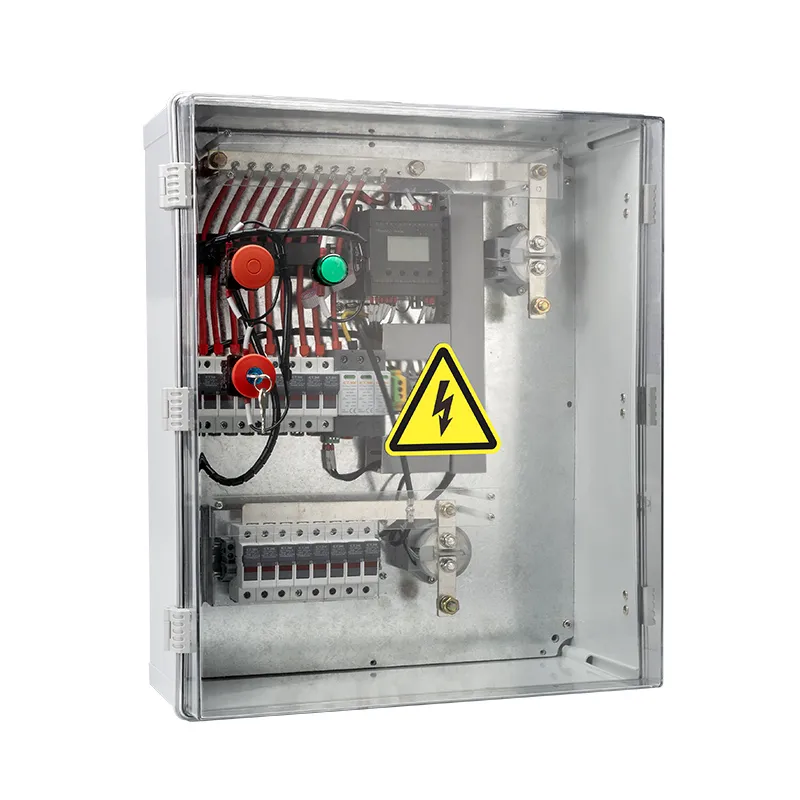
Distribution Boards
2 SKUsOpen this category when way count, busbar rating, IP65 enclosure or plug-in board format must be compared.
Open family
PV Accessories
6 SKUsMonitoring, auxiliary power, optimizers and small accessories
Open familyWhat the protection and enclosure subsystem does
Electrical BOS is the safety and control layer between PV strings, inverter inputs, AC circuits and downstream distribution. It includes DC breakers, surge protection, fuse protection, isolators, rapid shutdown devices, combiner boxes, AC breakers and distribution boards.
For buyers, this subsystem should be treated as an architecture package rather than a loose list of devices. Voltage class, breaking capacity, string count, enclosure IP rating, wiring space, labeling and local standard requirements need to be checked together before purchase.
How buyers should specify it
Start from string count, system voltage and maximum short-circuit current.
Decide whether protection devices are bought loose or factory-assembled inside combiner boxes.
Check enclosure size, IP rating, heat dissipation and cable gland layout before confirming box drawings.
Match AC-side protection and distribution boards to phase type, circuit count and local installation practice.
Common mistakes to avoid
A breaker with the right current rating can still be wrong if DC voltage or breaking capacity is insufficient.
Combiner boxes often fail in practice because of undersized enclosures, poor heat spacing or unclear labeling.
SPD type and voltage class must match the PV array and grounding arrangement.
AC protection should be reviewed with the inverter output, grid standard and downstream board layout.
What to include in the BOM
Useful reading before RFQ
These guides support the decisions on this page. They give buyers and engineers more detail on sizing, compatibility, standards and packing before the BOM is sent for quotation.