Home battery sizing is easy to oversimplify. A better question is which loads need to run, for how long, and how often the battery can recharge.
A clean capacity discussion reduces wrong expectations before the system reaches site.
5kWh, 10kWh and 15kWh are different user promises
A 5kWh unit is often an essential-load backup product. A 10kWh package can cover more daily self-consumption. A 15kWh package starts to feel like a stronger backup system, but only if inverter output and load separation are sensible.
Usable capacity is lower than nameplate capacity
Depth of discharge, battery reserve and inverter losses mean the user should not expect every nameplate kWh to appear at the socket. This needs to be explained early in the sales process.
Procurement decision table
| Decision area | Buyer question | Procurement check | Risk control |
|---|---|---|---|
| Product scope | Which product families does this cover? | Wall-Mounted LiFePO4 Battery Series, Rack/Cabinet LiFePO4 Battery Series, Off Grid Hybrid Inverter EU Series | Promising whole-house backup from a small battery |
| Specification input | What must be stated before comparing quotes? | Daily energy use | Use the same specification wording across supplier quotes. |
| Commercial input | What makes the quote operationally useful? | Essential loads | Tie quantity, packing and destination to the same RFQ line. |
| Quality gate | What should be checked before shipment? | Battery Shipping & UN38.3 Guide | Ignoring inverter efficiency |
BOM and RFQ context
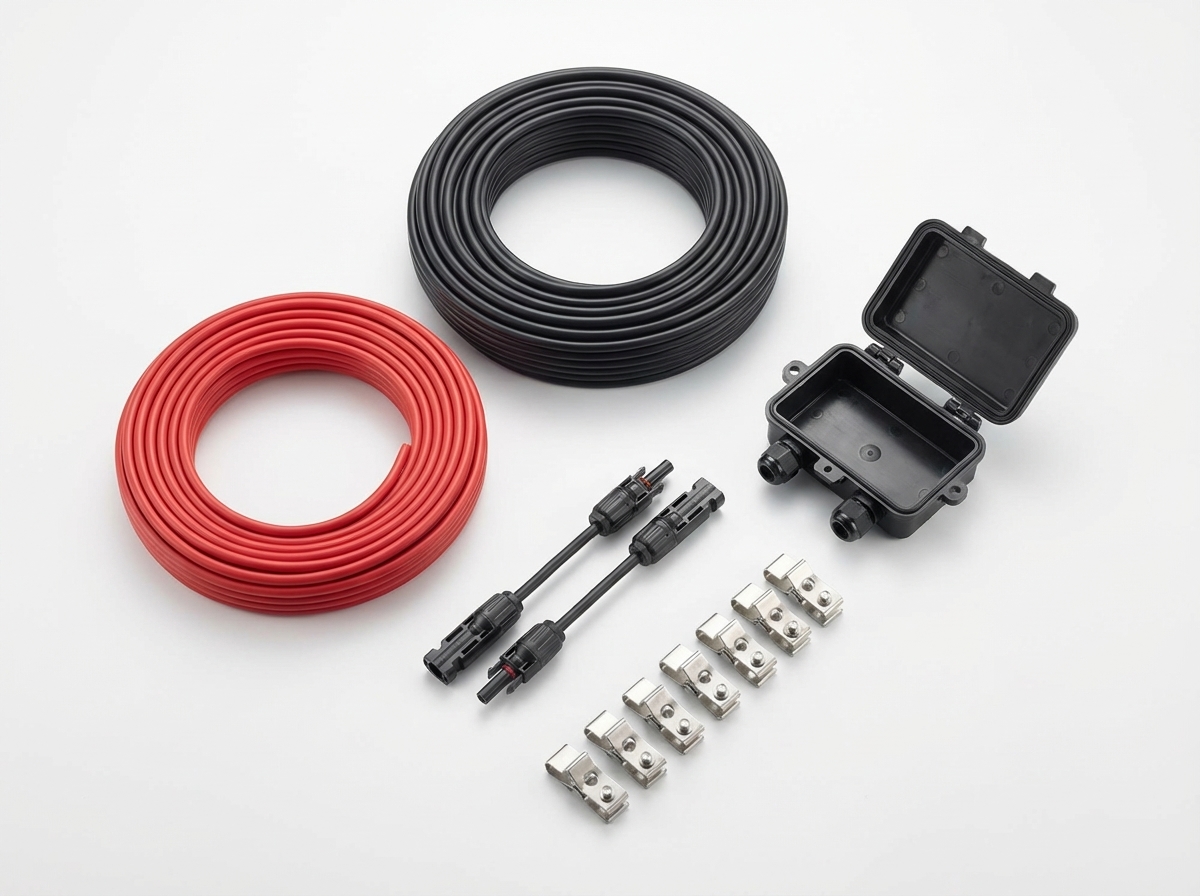
Home Battery Capacity Sizing Guide is most useful when it is read as a sourcing decision, not only an informational article. The affected product scope normally includes Wall-Mounted LiFePO4 Battery Series, Rack/Cabinet LiFePO4 Battery Series, Off Grid Hybrid Inverter EU Series. A buyer should connect the answer to a live BOM, because cable size, connector rating, protection device choice, box configuration, storage accessories and export packing can change together.
For a procurement guide, the goal is to turn a broad buying question into a repeatable RFQ structure. The buyer should leave with the required product family, specification fields, quality checks and internal links needed to continue into the central products hub. In an RFQ, the minimum inputs should include Daily energy use, Essential loads, Expected outage hours, PV recharge window. These inputs let a sourcing team compare suppliers on the same basis instead of only comparing unit price.
The related follow-up content is Battery Shipping & UN38.3 Guide, Hybrid Inverter Sourcing Guide, Solar BOS Packing & Labeling Guide. Use those pages to validate standards, sizing, inspection and packing before sending a final quote request. The main risk to avoid is: Promising whole-house backup from a small battery Ignoring inverter efficiency