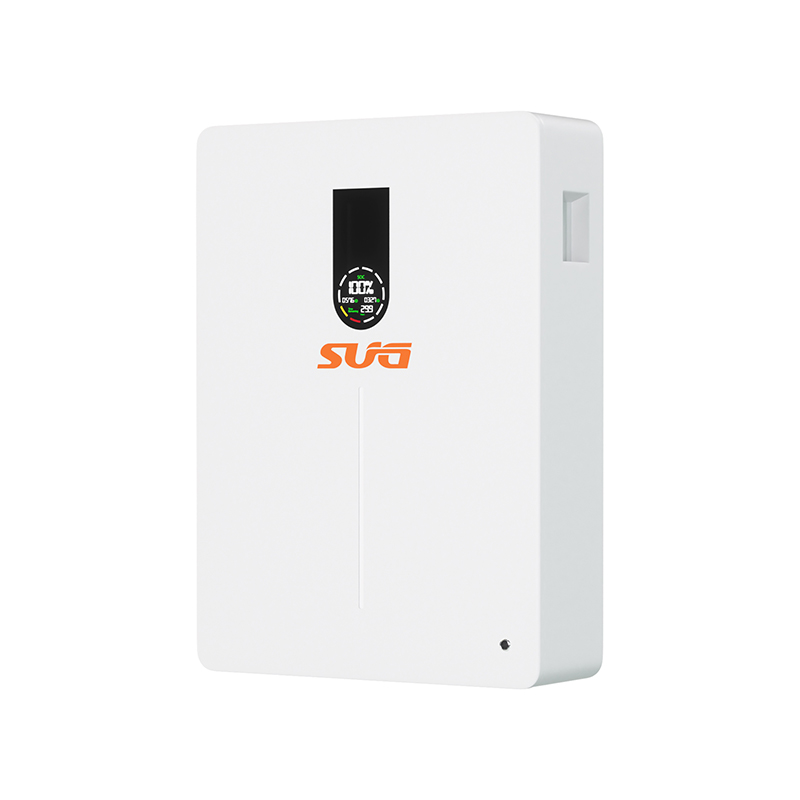
Commercial storage is not just a larger home battery. The project usually has a clear operational reason: peak shaving, backup for critical loads, PV self-consumption or a grid-support requirement.
The correct RFQ has to connect power rating, energy capacity, AC voltage, protection devices, cabinet layout and shipping documents. A vague 100kWh battery request is rarely enough.
Power and energy answer different questions
The kW rating describes how much power the system can deliver at one moment. The kWh rating describes how long it can keep doing that. A warehouse backup system, a peak shaving system and a PV smoothing system may all use similar cabinets but different power-to-energy ratios.
Treat the cabinet as an electrical package
C&I systems need attention to AC protection, DC protection, cable entry, ventilation, lifting points and service clearance. The storage cabinet should be quoted with the surrounding BOS logic in mind.
Procurement decision table
| Decision area | Buyer question | Procurement check | Risk control |
|---|---|---|---|
| Product scope | Which product families does this cover? | C&I High Voltage Energy Storage System, Energy Storage Systems, AC Protection | Comparing systems only by kWh price |
| Specification input | What must be stated before comparing quotes? | Use case: backup, peak shaving or PV self-consumption | Use the same specification wording across supplier quotes. |
| Commercial input | What makes the quote operationally useful? | Required kW and kWh | Tie quantity, packing and destination to the same RFQ line. |
| Quality gate | What should be checked before shipment? | AC Protection Selection Guide | Ignoring AC protection and distribution board needs |
BOM and RFQ context
Commercial and Industrial Energy Storage is most useful when it is read as a sourcing decision, not only an informational article. The affected product scope normally includes C&I High Voltage Energy Storage System, Energy Storage Systems, AC Protection, Distribution Boards. A buyer should connect the answer to a live BOM, because cable size, connector rating, protection device choice, box configuration, storage accessories and export packing can change together.
For storage applications, the useful answer combines electrical design, battery logistics and commissioning risk. Battery capacity, inverter phase type, BMS communication, backup-load priority and export documents all have to be checked before the order becomes a real project package. In an RFQ, the minimum inputs should include Use case: backup, peak shaving or PV self-consumption, Required kW and kWh, AC voltage and phase, Indoor/outdoor placement. These inputs let a sourcing team compare suppliers on the same basis instead of only comparing unit price.
The related follow-up content is AC Protection Selection Guide, Battery Shipping & UN38.3 Guide, Solar BOS Packing & Labeling Guide. Use those pages to validate standards, sizing, inspection and packing before sending a final quote request. The main risk to avoid is: Comparing systems only by kWh price Ignoring AC protection and distribution board needs