Direct answer
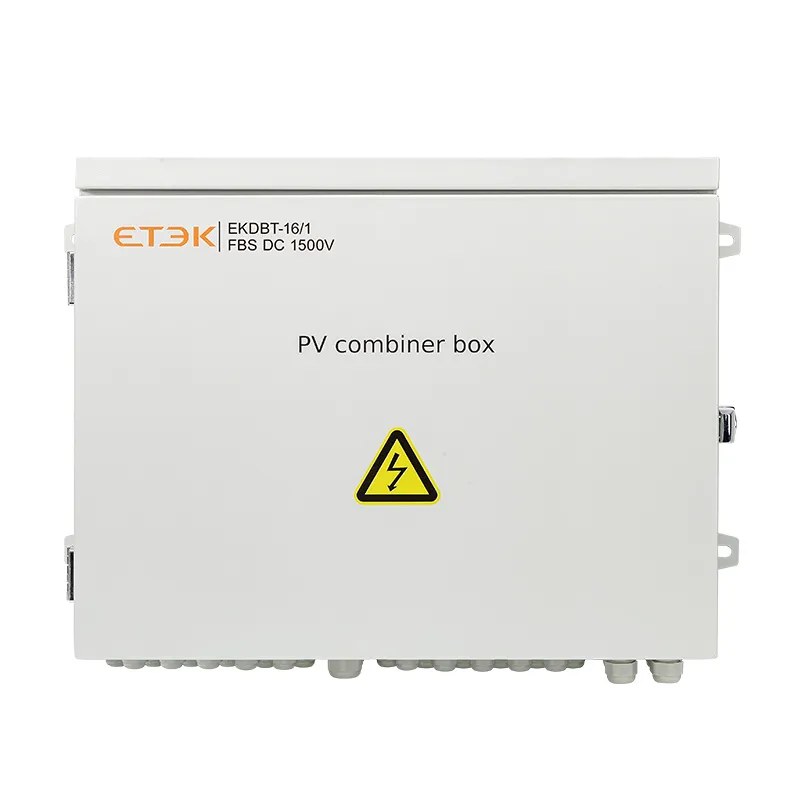
A PV combiner box wiring layout should show string inputs, polarity, fuse positions, SPD, isolator or breaker, output terminals, cable gland direction and labels.
This is a procurement guide, not an installation manual. Final wiring must follow project drawings and local electrical rules.
Core procurement parameters
| Wiring scope | Inputs, protection devices, output and labels |
|---|---|
| Inspection record | Internal photos before shipment |
| Common mistake | Undersized enclosure or unclear polarity labels |
| Best use | RFQ review before custom assembly |
Applications
- Custom combiner RFQs
- Factory pre-wired boxes
- QC inspection
- Installer handover preparation
Available options
- Input/output diagram
- Circuit labels
- Photo checklist
- Packing by project zone
QC points before shipment
BOM procurement notes
PV Combiner Box Wiring Guide should be treated as part of a procurement BOM, not as an isolated catalogue item. The usual starting points are wiring scope (Inputs, protection devices, output and labels), inspection record (Internal photos before shipment), common mistake (Undersized enclosure or unclear polarity labels). Typical use cases include Custom combiner RFQs, Factory pre-wired boxes, QC inspection. Combiner box procurement is a configuration exercise rather than a single SKU purchase. String count, input current, output device, SPD type, fuse rating, monitoring need, enclosure IP rating and cable gland layout should be confirmed before the box is assembled.
A practical RFQ should describe the required variant, quantity and packing in the same language the site team will use later. For this page, the common option set includes Input/output diagram, Circuit labels, Photo checklist. The RFQ checklist should cover Approved single-line diagram, String count, Protection layout, Cable entry so the quote can be compared across suppliers without hidden assumptions.
For combiner box pages, the inspection focus is internal wiring, torque marks, device model consistency, terminal labeling, enclosure sealing, schematic drawing and photo records. These checks reduce site rework when boxes arrive together with cable and DC protection. Before shipment, the inspection record should include Check polarity labels; Verify torque and cable route; Inspect SPD/fuse wiring. This gives EPC buyers and distributors a cleaner handover from sourcing to receiving, especially when the order is consolidated with other BOS lines from the central products hub.
FAQ
Should the supplier provide wiring photos?
Yes. Internal photos help confirm device layout, polarity labels and wiring quality before shipment.
Can OmniSol review a combiner box diagram?
Yes. We can use the diagram to quote a cleaner assembled box and avoid guessing device placement.