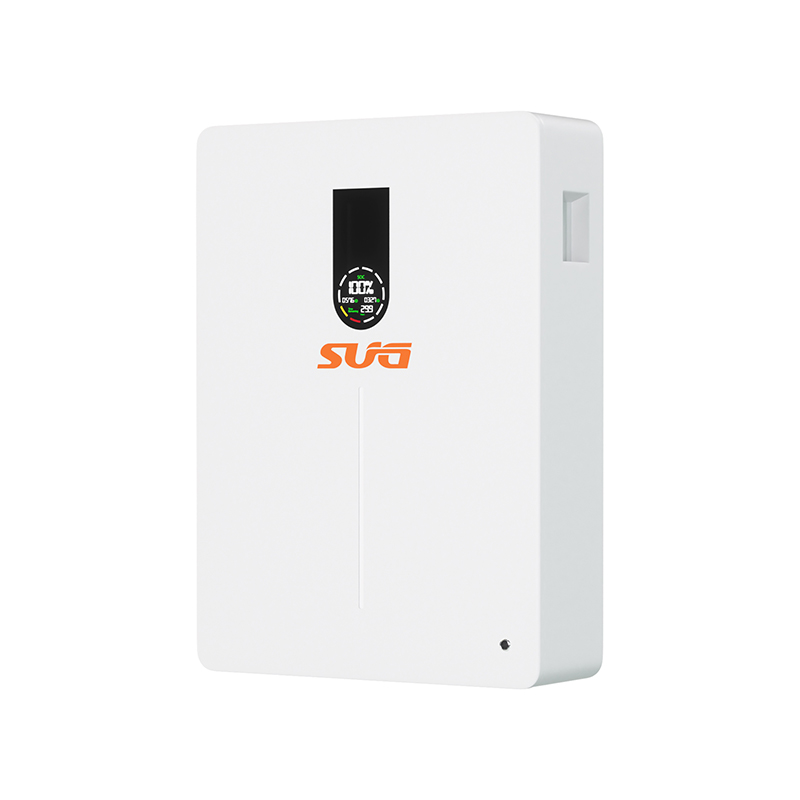
Telecom backup buyers usually care less about decorative appearance and more about repeatability: stable voltage platform, predictable runtime, cabinet fit and easy maintenance.
48V and 51.2V rack batteries are often the practical starting point. The RFQ should make clear whether the battery replaces lead-acid strings, supports solar charging, or works with an existing rectifier system.
Rack format keeps service work simple
Rack-mounted LiFePO4 modules are easier to inspect, label and replace than mixed ad-hoc battery packs. For telecom projects with many sites, this becomes more important than shaving a few dollars from one unit.
Document control matters
Telecom operators often require predictable packing lists, serial number tracking and battery shipment documents. OmniSol keeps supplier models mapped internally while quoting feature-coded OmniSol SKUs for cleaner project control.
Procurement decision table
| Decision area | Buyer question | Procurement check | Risk control |
|---|---|---|---|
| Product scope | Which product families does this cover? | Rack/Cabinet LiFePO4 Battery Series, High Voltage Rack LiFePO4 Battery Series, Energy Storage Batteries | Mixing different battery module generations on one site |
| Specification input | What must be stated before comparing quotes? | System voltage | Use the same specification wording across supplier quotes. |
| Commercial input | What makes the quote operationally useful? | Required backup hours | Tie quantity, packing and destination to the same RFQ line. |
| Quality gate | What should be checked before shipment? | Battery Shipping & UN38.3 Guide | Forgetting cabinet depth and cable exit direction |
BOM and RFQ context
Telecom Backup Battery Systems is most useful when it is read as a sourcing decision, not only an informational article. The affected product scope normally includes Rack/Cabinet LiFePO4 Battery Series, High Voltage Rack LiFePO4 Battery Series, Energy Storage Batteries. A buyer should connect the answer to a live BOM, because cable size, connector rating, protection device choice, box configuration, storage accessories and export packing can change together.
For storage applications, the useful answer combines electrical design, battery logistics and commissioning risk. Battery capacity, inverter phase type, BMS communication, backup-load priority and export documents all have to be checked before the order becomes a real project package. In an RFQ, the minimum inputs should include System voltage, Required backup hours, Rack size, Battery communication. These inputs let a sourcing team compare suppliers on the same basis instead of only comparing unit price.
The related follow-up content is Battery Shipping & UN38.3 Guide, Solar BOS Packing & Labeling Guide. Use those pages to validate standards, sizing, inspection and packing before sending a final quote request. The main risk to avoid is: Mixing different battery module generations on one site Forgetting cabinet depth and cable exit direction