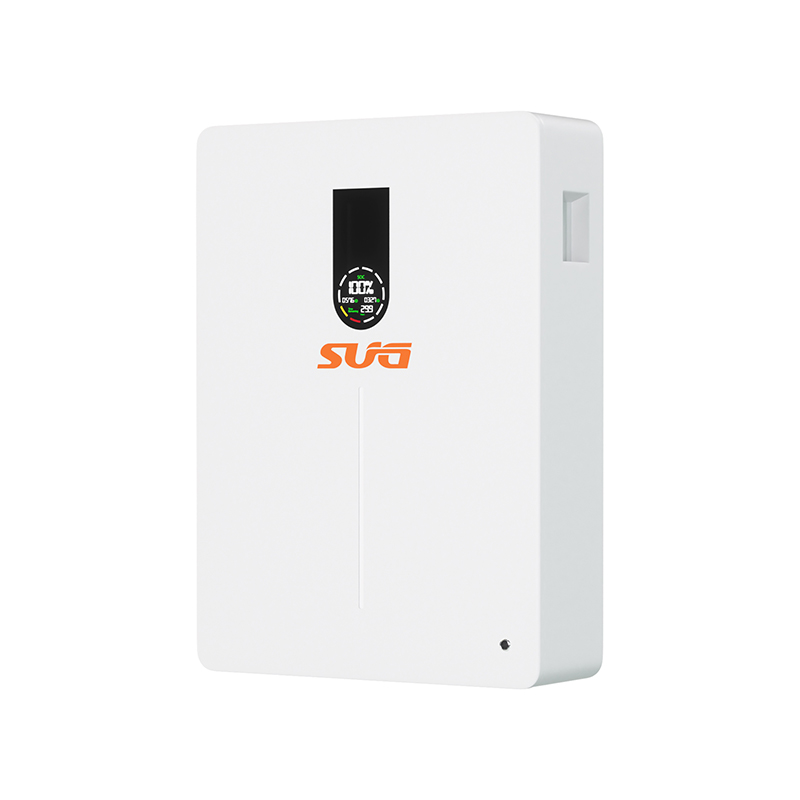
Split-phase backup projects need more attention than a standard single-phase quote. The inverter must provide the correct 120/240V output arrangement, and the battery voltage platform needs to match the approved operating range.
This page is mainly for buyers serving North American or split-phase residential projects who need a repeatable sourcing route.
Confirm the output before discussing price
A model that is fine for 230V single-phase markets will not automatically fit a 120/240V split-phase installation. Output voltage, surge capacity and backup panel layout need to be checked before model selection.
Battery compatibility is not optional
The battery must match the inverter voltage range and BMS communication expectation. If the BMS protocol is not supported, the system may run in a limited mode or fail commissioning.
Procurement decision table
| Decision area | Buyer question | Procurement check | Risk control |
|---|---|---|---|
| Product scope | Which product families does this cover? | Split-Phase Off Grid Hybrid Inverter Series, Off Grid Hybrid Inverter US Series, Wall-Mounted LiFePO4 Battery Series | Using a 230V EU inverter in a split-phase market |
| Specification input | What must be stated before comparing quotes? | 120/240V output requirement | Use the same specification wording across supplier quotes. |
| Commercial input | What makes the quote operationally useful? | Inverter rated and peak output | Tie quantity, packing and destination to the same RFQ line. |
| Quality gate | What should be checked before shipment? | Hybrid Inverter Sourcing Guide | Assuming all 51.2V batteries communicate the same way |
BOM and RFQ context
Split-Phase Backup Systems is most useful when it is read as a sourcing decision, not only an informational article. The affected product scope normally includes Split-Phase Off Grid Hybrid Inverter Series, Off Grid Hybrid Inverter US Series, Wall-Mounted LiFePO4 Battery Series, Rack/Cabinet LiFePO4 Battery Series. A buyer should connect the answer to a live BOM, because cable size, connector rating, protection device choice, box configuration, storage accessories and export packing can change together.
For storage applications, the useful answer combines electrical design, battery logistics and commissioning risk. Battery capacity, inverter phase type, BMS communication, backup-load priority and export documents all have to be checked before the order becomes a real project package. In an RFQ, the minimum inputs should include 120/240V output requirement, Inverter rated and peak output, Battery voltage range, BMS communication. These inputs let a sourcing team compare suppliers on the same basis instead of only comparing unit price.
The related follow-up content is Hybrid Inverter Sourcing Guide, Battery Shipping & UN38.3 Guide. Use those pages to validate standards, sizing, inspection and packing before sending a final quote request. The main risk to avoid is: Using a 230V EU inverter in a split-phase market Assuming all 51.2V batteries communicate the same way