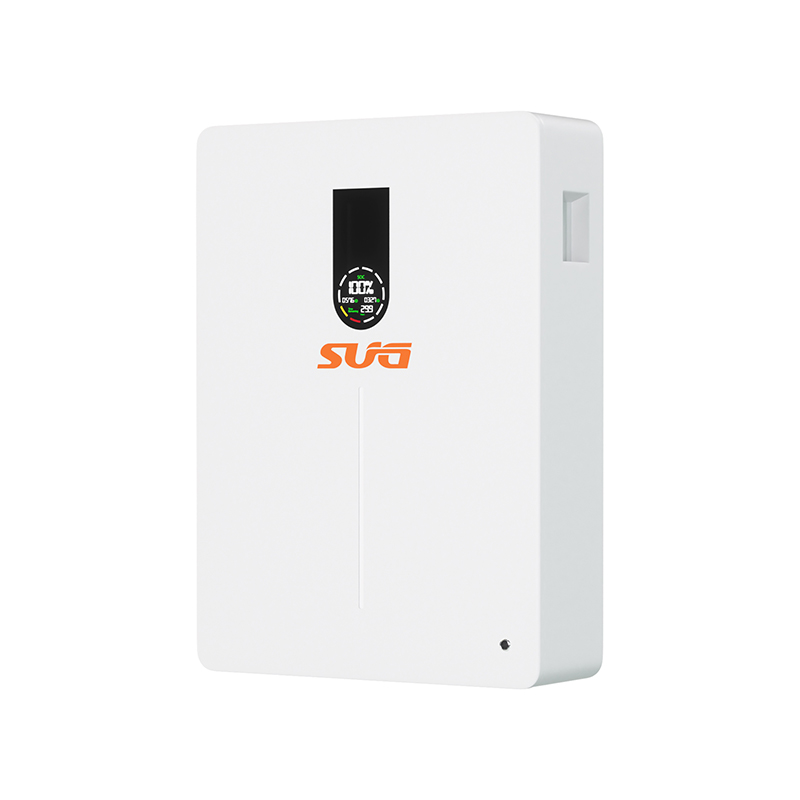
Residential backup storage is usually bought for a simple reason: the homeowner wants lights, WiFi, refrigeration and a few essential circuits to stay alive when the grid is unstable. The technical work is deciding how much backup is enough and which inverter/battery combination will behave predictably after installation.
For RFQs, the useful starting point is not only kWh. Phase type, battery voltage, backup circuit size, local grid rules and shipment documents all affect the final product choice.
Start from the loads, not the battery catalogue
A small home can often be covered by a 5kWh wall battery if the backup panel only carries lights, router, refrigerator and a few sockets. Larger homes with air conditioning or pump loads usually need a larger battery bank and a higher inverter output.
If the installer has not separated essential loads from whole-house loads, quote ranges can become messy. We normally ask for the backup load list first, then match battery capacity and inverter power around that.
- Essential-load backup: 5-10kWh is common
- Whole-house backup: check surge load before choosing inverter size
- Long outage areas need usable capacity, not only nameplate capacity
What OmniSol checks before quoting
We review whether the project is single-phase, split-phase or three-phase, then match the battery voltage platform and communication requirements. For lithium battery export, we also check whether UN38.3, MSDS and carton labels are ready before promising a shipment date.
Procurement decision table
| Decision area | Buyer question | Procurement check | Risk control |
|---|---|---|---|
| Product scope | Which product families does this cover? | Wall-Mounted LiFePO4 Battery Series, Rack/Cabinet LiFePO4 Battery Series, Off Grid Hybrid Inverter EU Series | Buying capacity before checking inverter surge power |
| Specification input | What must be stated before comparing quotes? | Backup load list | Use the same specification wording across supplier quotes. |
| Commercial input | What makes the quote operationally useful? | Phase type and grid voltage | Tie quantity, packing and destination to the same RFQ line. |
| Quality gate | What should be checked before shipment? | Battery Shipping & UN38.3 Guide | Mixing a battery with an inverter that cannot communicate with its BMS |
BOM and RFQ context
Residential Backup Energy Storage is most useful when it is read as a sourcing decision, not only an informational article. The affected product scope normally includes Wall-Mounted LiFePO4 Battery Series, Rack/Cabinet LiFePO4 Battery Series, Off Grid Hybrid Inverter EU Series, Split-Phase Off Grid Hybrid Inverter Series. A buyer should connect the answer to a live BOM, because cable size, connector rating, protection device choice, box configuration, storage accessories and export packing can change together.
For storage applications, the useful answer combines electrical design, battery logistics and commissioning risk. Battery capacity, inverter phase type, BMS communication, backup-load priority and export documents all have to be checked before the order becomes a real project package. In an RFQ, the minimum inputs should include Backup load list, Phase type and grid voltage, Target backup hours, Battery voltage platform. These inputs let a sourcing team compare suppliers on the same basis instead of only comparing unit price.
The related follow-up content is Battery Shipping & UN38.3 Guide, Hybrid Inverter Sourcing Guide, Solar BOS Packing & Labeling Guide. Use those pages to validate standards, sizing, inspection and packing before sending a final quote request. The main risk to avoid is: Buying capacity before checking inverter surge power Mixing a battery with an inverter that cannot communicate with its BMS