Off-grid storage is less forgiving than a standard backup system. The battery is not waiting for occasional outages; it becomes part of the daily power supply. That means charging window, PV input, inverter surge capacity and reserve energy need to be sized together.
A good RFQ should describe daily load, sun hours, backup reserve and whether a generator will be used. Without those details, the system can look right on paper and still disappoint on a cloudy week.
The inverter has to carry real starting loads
Pumps, refrigerators and small motors can pull a short surge that is much higher than their running power. Off-grid inverter choice should be based on both continuous output and short peak output.
When the project includes a well pump, workshop tool or air conditioner, we ask for the load model or starting current before confirming the inverter family.
Battery reserve is the quiet safety margin
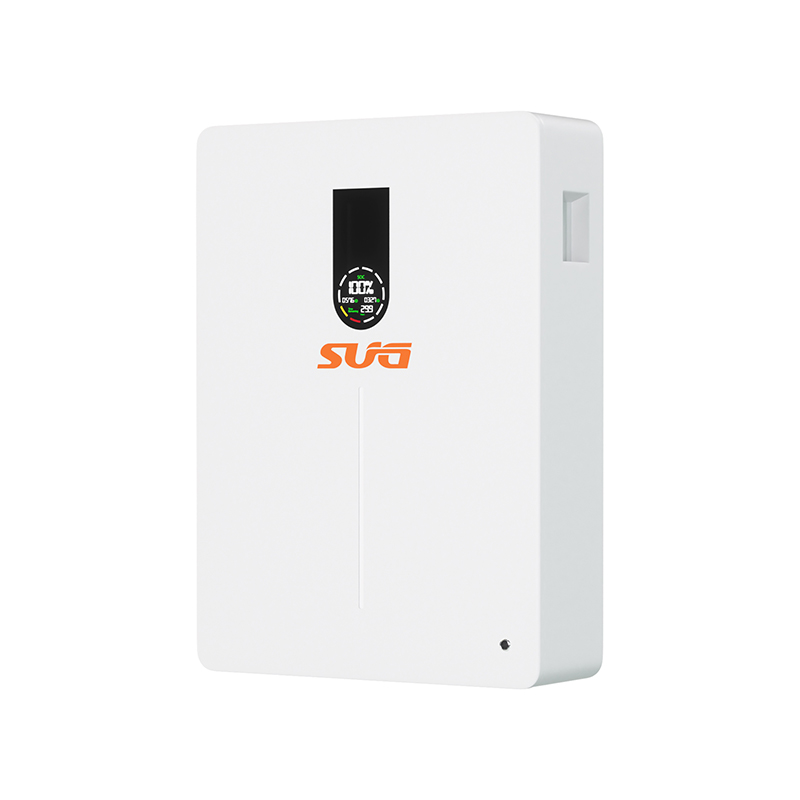
Many failures come from designing the battery around one normal day. A better off-grid package leaves reserve for bad weather, battery aging and seasonal changes. Low-voltage wall batteries are simple for small homes; rack or stacked batteries are easier to expand.
- Small cabin: 5-10kWh can be enough
- Family home: 10-30kWh is a more realistic range
- Generator input should be discussed early if the site has long cloudy periods
Procurement decision table
| Decision area | Buyer question | Procurement check | Risk control |
|---|---|---|---|
| Product scope | Which product families does this cover? | Off Grid Hybrid Inverter EU Series, Wall-Mounted LiFePO4 Battery Series, Rack/Cabinet LiFePO4 Battery Series | Sizing only by inverter rated power |
| Specification input | What must be stated before comparing quotes? | Daily kWh use | Use the same specification wording across supplier quotes. |
| Commercial input | What makes the quote operationally useful? | Largest motor or surge load | Tie quantity, packing and destination to the same RFQ line. |
| Quality gate | What should be checked before shipment? | Hybrid Inverter Sourcing Guide | Forgetting generator charging current |
BOM and RFQ context
Off-Grid Home Energy Storage is most useful when it is read as a sourcing decision, not only an informational article. The affected product scope normally includes Off Grid Hybrid Inverter EU Series, Wall-Mounted LiFePO4 Battery Series, Rack/Cabinet LiFePO4 Battery Series, Energy Storage Systems. A buyer should connect the answer to a live BOM, because cable size, connector rating, protection device choice, box configuration, storage accessories and export packing can change together.
For storage applications, the useful answer combines electrical design, battery logistics and commissioning risk. Battery capacity, inverter phase type, BMS communication, backup-load priority and export documents all have to be checked before the order becomes a real project package. In an RFQ, the minimum inputs should include Daily kWh use, Largest motor or surge load, PV array size, Days of autonomy. These inputs let a sourcing team compare suppliers on the same basis instead of only comparing unit price.
The related follow-up content is Hybrid Inverter Sourcing Guide, Battery Shipping & UN38.3 Guide, Solar BOS Packing & Labeling Guide. Use those pages to validate standards, sizing, inspection and packing before sending a final quote request. The main risk to avoid is: Sizing only by inverter rated power Forgetting generator charging current